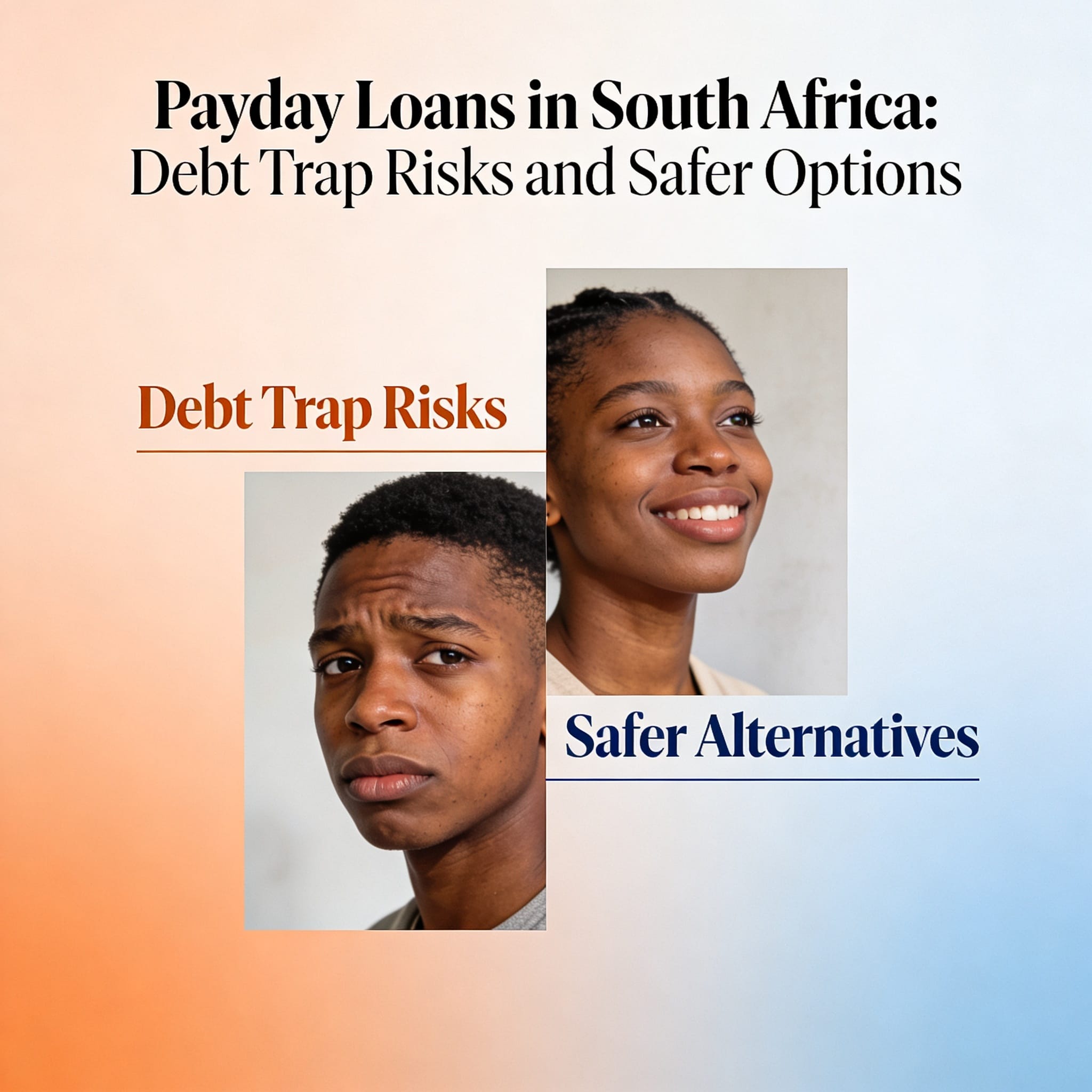

When money is tight and there is no salary coming in, many South Africans feel forced to look for fast cash. That is why payday loans can seem tempting. But for unemployed people, this kind of borrowing can quickly become a trap. If you are trying to survive month to month, you need to understand the risk before you sign anything. For official sector information, you can visit SETA.
What a Payday Loan Is
A payday loan is a small short-term loan. It is usually meant to be paid back very quickly, often within one month.
In South Africa, lenders may call it a quick cash loan, same-day loan, emergency loan, one-month loan, or easy approval loan.
These loans are often advertised as fast and simple. Some lenders say you can apply with little paperwork, get approval quickly, or borrow even if you are blacklisted.
But the real cost is often high. Many payday loans come with interest, service fees, initiation fees, and penalties if you miss a payment.
Why Unemployed People Turn to Payday Loans
Many unemployed South Africans do not have savings. Some rely on SASSA grants, informal work, piece jobs, family support, or small business income.
When an emergency happens, there may be no backup plan. That is when people borrow for food, transport, rent, electricity, school costs, funerals, medical bills, or airtime and data for job searching.
This is why payday loans feel like a lifeline. But borrowing for survival is very different from borrowing for comfort.
Who Can Apply
Payday loans are often offered to people who can show some form of income or regular payment. This may include grant recipients, low-income workers, and some unemployed people with informal income.
However, every lender has different rules. Some may ask for bank statements, an ID, proof of income, or proof of grant payment.
You should never assume that approval means the loan is safe or affordable.
What You Need to Know About the Debt Trap
The biggest danger starts when you cannot repay the first loan on time.
For example, you may borrow R1,500. After fees and interest, the amount to repay can become much higher. If you cannot pay it back, you may take another loan to cover the first one.
This starts a cycle. Soon, your money goes to debt instead of food, transport, and basic needs.
Many people then borrow again and again, just to keep going.
Why Repeat Borrowing Becomes So Risky
At first, a payday loan may seem like a one-time solution. But repeated borrowing can become part of your monthly survival plan.
You may start borrowing for ordinary things like bread, taxi fare, electricity, and school needs. That is a warning sign.
When one loan is used to pay another, the debt grows. Interest, penalties, and collection pressure can make the situation worse.
Hidden Costs You Should Not Ignore
Many borrowers only ask, “How much can I get today?”
That is not the full question. You also need to ask:
- How much will I repay in total?
- What fees are added?
- What happens if I am late?
- Can I afford this without borrowing again?
Even when a lender follows the law, the repayment can still be too much for an unemployed person with no steady income.
Registered Lenders and Loan Sharks Are Not the Same
In South Africa, legal credit providers must follow the National Credit Act and the rules of the National Credit Regulator.
Registered lenders should do affordability checks, explain the terms clearly, and follow interest limits.
Illegal lenders, often called loan sharks, may do the opposite. They may charge extreme interest, keep your bank card or ID, threaten you, or use fear to make you pay.
This is especially dangerous when you have little financial protection.
Why SASSA Beneficiaries Are Often Targeted
People who receive grants are sometimes targeted because the money comes in regularly each month.
Some borrowers use their grant money to repay loans, then borrow again soon after the next payment arrives.
This can leave a household with too little money for food and basic needs long before month-end.
That is why grant income should be protected carefully.
The Pressure Is Not Only Financial
Debt also affects your mind and your family.
People trapped in payday loan cycles may feel anxiety, shame, stress, sadness, or sleep problems.
Family arguments may increase. Parents may feel helpless when they cannot provide for children.
Regular calls from collectors can make the pressure even worse.
Why “Easy Loans” Can Be Misleading
Many adverts promise guaranteed approval, instant cash, or loans with no credit checks.
These words are made to catch the attention of people who are desperate.
But fast approval does not mean the loan is affordable. In many cases, the easier the loan is to get, the more expensive it becomes.
How Digital Lending Has Changed the Problem
Today, many people borrow through mobile apps, websites, WhatsApp lenders, and online platforms.
This makes borrowing quicker than ever before. But it also makes it easier to borrow too much.
When money is just a few clicks away, it is easier to make a decision you may regret later.
Warning Signs That You May Already Be in Trouble
You may be stuck in payday debt if you:
- Borrow every month
- Use one loan to pay another
- Skip meals to pay debt
- Have constant deductions from your account
- Cannot survive without short-term loans
- Hide debt from your family
- Receive repeated collection calls
If these signs sound familiar, take them seriously.
Safer Alternatives to Payday Loans
You may still be under pressure, but there are safer options than repeated short-term borrowing.
One option is debt counselling. A registered debt counsellor can help you look at your debt, negotiate payments, and reduce pressure.
You can also ask for help from family, community groups, churches, or food relief programmes.
Another step is to cut non-essential spending and protect the basics first. Food, transport, shelter, and electricity should come before anything else.
Most important, always check that a lender is registered with the National Credit Regulator before you borrow.
What South Africans Should Remember
Many people do not take payday loans because they are careless. They do it because they are under pressure and trying to survive.
But short-term relief can become long-term pain if you keep borrowing to survive each month.
The real danger is the cycle: borrow, repay, fall short again, and borrow again.
Without stable income, it can be very hard to escape.
How to Apply Safely
If you still want to apply for a payday loan, follow these steps carefully:
- Check if the lender is registered with the National Credit Regulator.
- Read the loan terms slowly.
- Ask about all fees, interest, and penalties.
- Make sure you know the full repayment amount.
- Only borrow if you can repay without taking another loan.
- Keep copies of all documents and messages.
If the lender does not explain the loan clearly, walk away.
Tips to Improve Your Chances of Avoiding Debt Trouble
Here are simple steps that can help you protect yourself:
- Do not borrow for wants when the need is only temporary.
- Use a basic budget to see what you truly need each month.
- Try to save even small amounts when possible.
- Speak to someone you trust before signing anything.
- Avoid lenders who promise fast cash without proper checks.
- Never give out your bank card, PIN, or personal details to unsafe lenders.
Final Advice
If you are unemployed and thinking about a payday loan, ask yourself one honest question: can you repay it without borrowing again next month?
If the answer is no, the loan may create bigger problems later.
Short-term loans should never become your normal survival plan. Look for safer support first, speak to people you trust, and only deal with registered lenders.
You are not alone in this. Many South Africans are under serious financial pressure right now, but careful decisions can help you avoid deeper debt.
Frequently Asked Questions
Are payday loans legal in South Africa?
Yes, registered lenders can legally offer short-term loans under the National Credit Act.
Can unemployed people qualify for payday loans?
Some lenders may approve unemployed applicants if they receive grants, informal income, or other regular payments.
What happens if you cannot repay a payday loan?
The lender may charge penalties, contact you for collections, or take legal action depending on the situation.
Are all payday lenders registered?
No. Some operate illegally without proper registration.
Can payday loans affect your credit record?
Yes. Missed payments and defaults can damage your credit profile.
Disclaimer
This article is for educational and informational purposes only. It is not financial or legal advice. Always verify lenders through the National Credit Regulator before borrowing money.
EDUPSTAIRS IS A REGISTERED NON-PROFIT ORGANISATION NPO No: 232 – 182, PUBLIC BENEFIT ORGANISATION (PBO): 930066984. EDUPSTAIRS DOES NOT, IN ANY WAY OR FORM, SOLICIT MONEY OR CV’S FROM PEOPLE FOR JOBS. PLEASE BE AWARE OF PHONY JOB POSTINGS AND RECRUITMENT FRAUD. USE THE EDUPSTAIRS SCAM DETECTOR TOOL TO SPOT A SCAM BEFORE YOU APPLY.